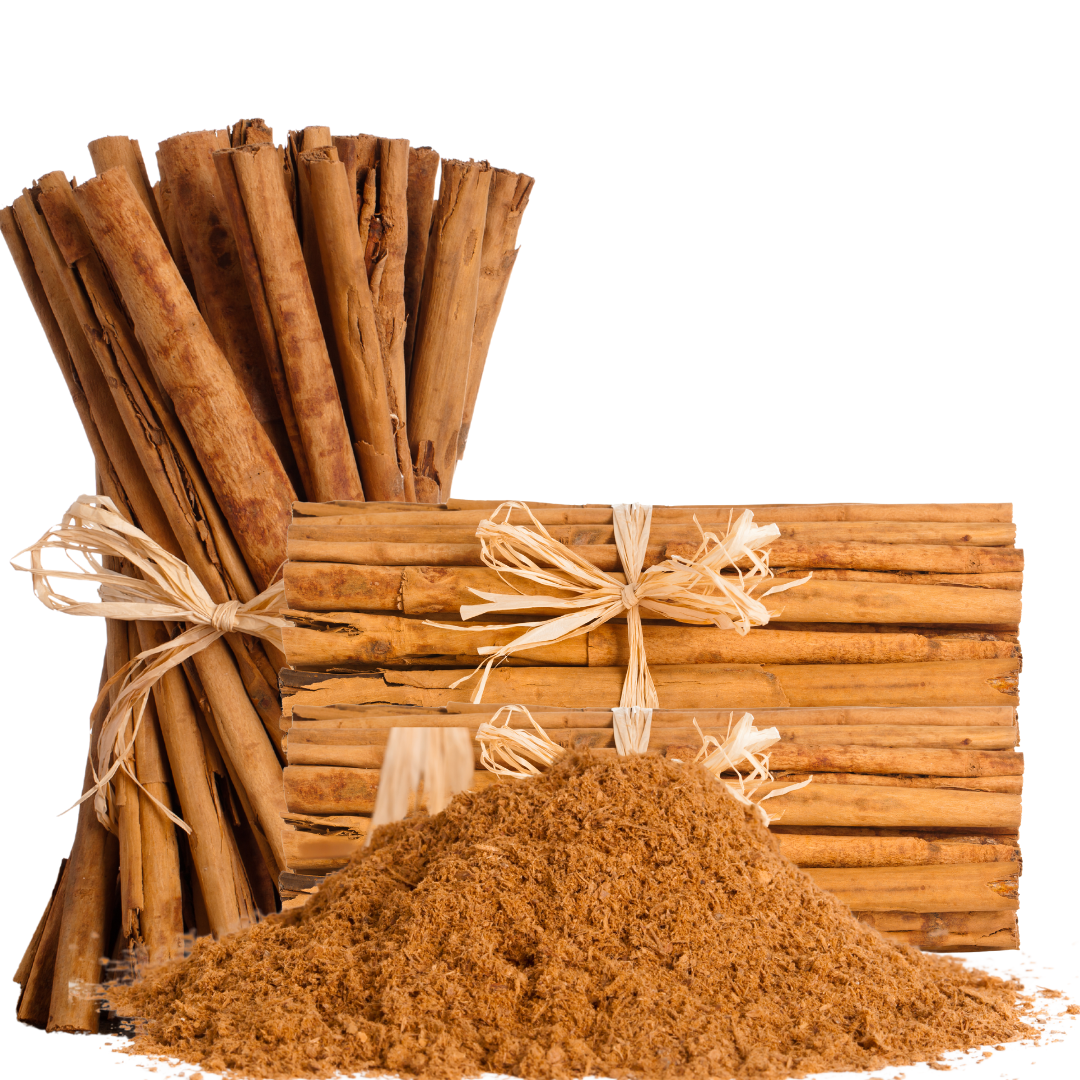
Benefits
Antioxidant Properties:
Ceylon cinnamon contains antioxidants that may help neutralize free radicals, contributing to overall health.
Anti-Inflammatory Effects:
Compounds like cinnamaldehyde and eugenol in Ceylon cinnamon have anti-inflammatory properties, which may be beneficial for various conditions.
Blood Sugar Regulation:
Some studies suggest that Ceylon cinnamon may help regulate blood sugar levels, making it of interest to individuals with diabetes or those at risk.
Heart Health:
Ceylon cinnamon may support heart health by improving lipid profiles and reducing the risk factors for cardiovascular diseases.
Anti-Microbial Properties:
Cinnamon has been traditionally used for its potential anti-microbial properties, helping combat certain bacteria and fungi.
How to use
Culinary Use:
Sprinkle Ceylon cinnamon on oatmeal, yogurt, or toast for added flavor and aroma.
Beverages:
Stir Ceylon cinnamon into coffee, tea, or hot chocolate for a delightful twist.
Baking:
Incorporate Ceylon cinnamon into baked goods like cookies, cakes, and muffins for a sweet and aromatic touch.
Smoothies:
Add a pinch of Ceylon cinnamon to smoothies for a subtle spicy note.
Curries and Stews:
Use Ceylon cinnamon in savory dishes, such as curries, stews, or tagines, for depth of flavor.
Infusions:
Make a Ceylon cinnamon infusion by steeping cinnamon sticks in hot water. This can be enjoyed as a tea.
Cautions and notes
Cautions: Coumarin Sensitivity: While Ceylon cinnamon has lower coumarin levels than Cassia cinnamon, it’s still advisable to moderate intake, especially for individuals sensitive to coumarin.
Notes: hoose high-quality Ceylon cinnamon from reputable sources to ensure purity and authenticity. If you have specific health concerns or conditions, consult with a healthcare professional or a registered dietitian for personalized advice.